Sunday, September 29, 2019
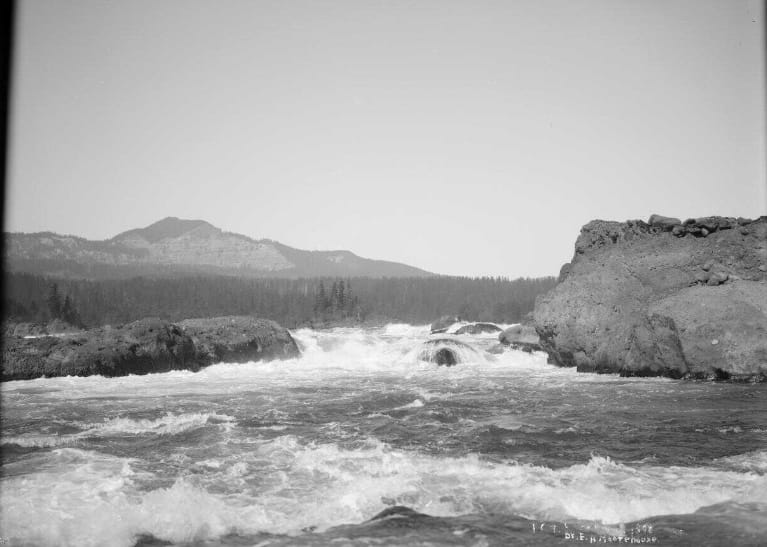
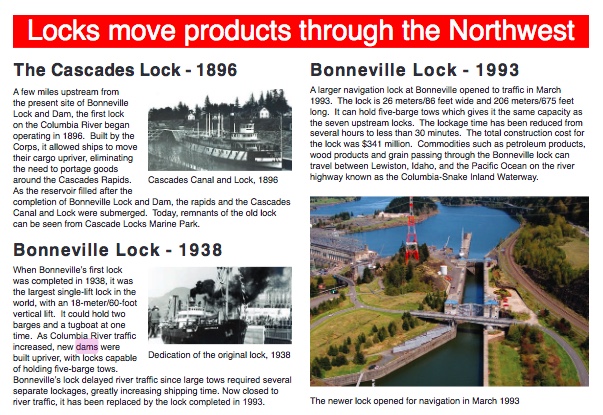
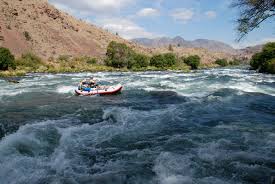
Back in the day the Cascades Rapids was a formidable navigational hinder. It fell 45′ over a 4.5 mile stretch of rock and boulder strewn river. Native Americans would portage around them as they were too dangerous to navigate by boat or canoe.

Lewis and Clark portaged the cascades twice once in 1805 and again in 1806 calling the lower cascades “The Shute”. It was not until the 1890’s when the Cascade Locks was built on the Oregon side of the river that it became navigable past the Rapids without the need to portage.
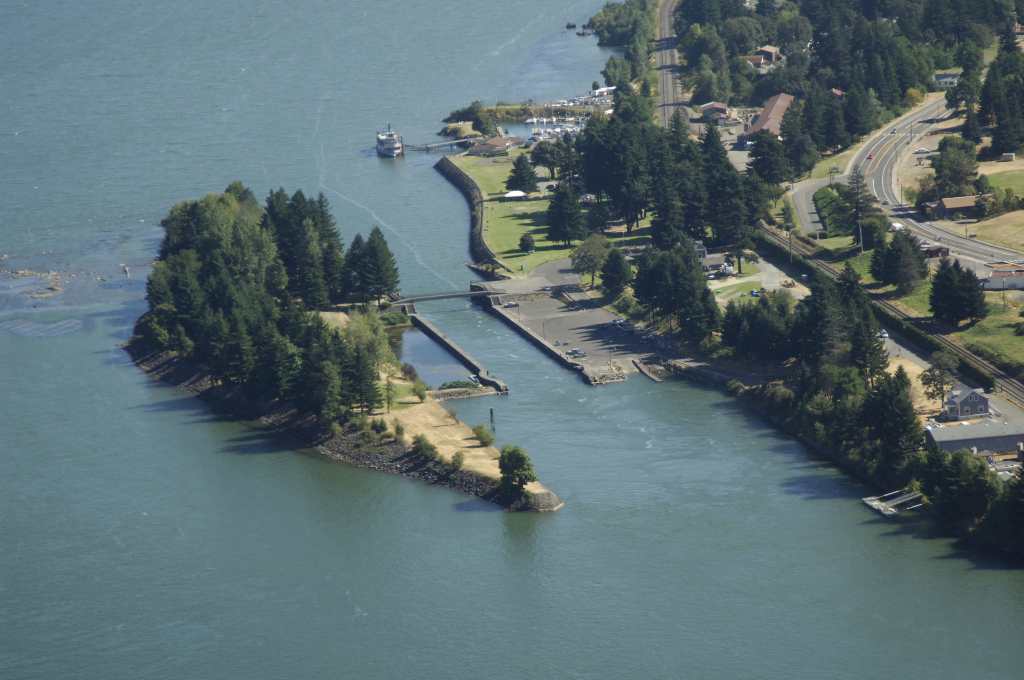
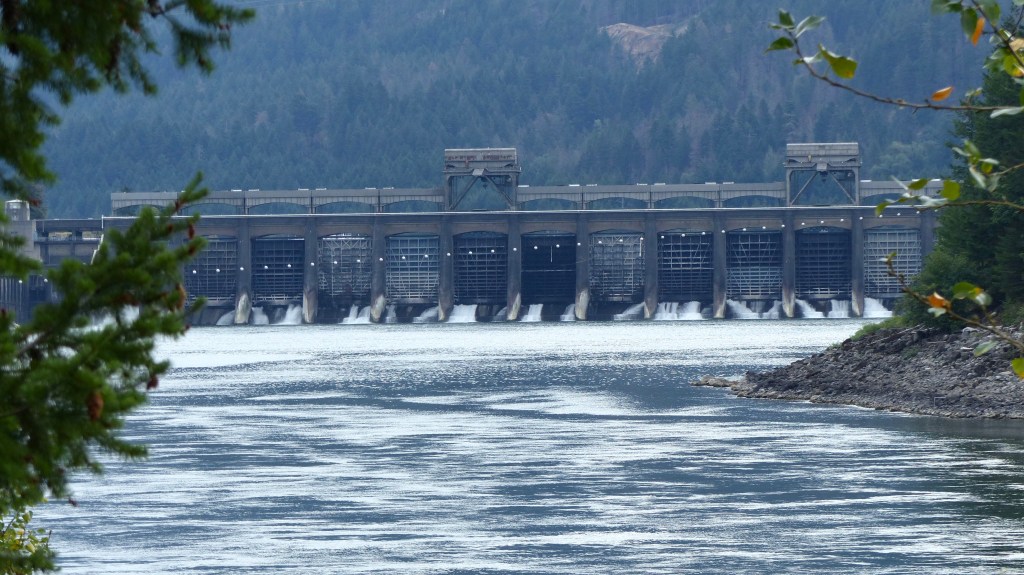
Cascade Locks was flooded and became unnecessary and the rapids disappeared under the waters of the new Bonneville Lake.

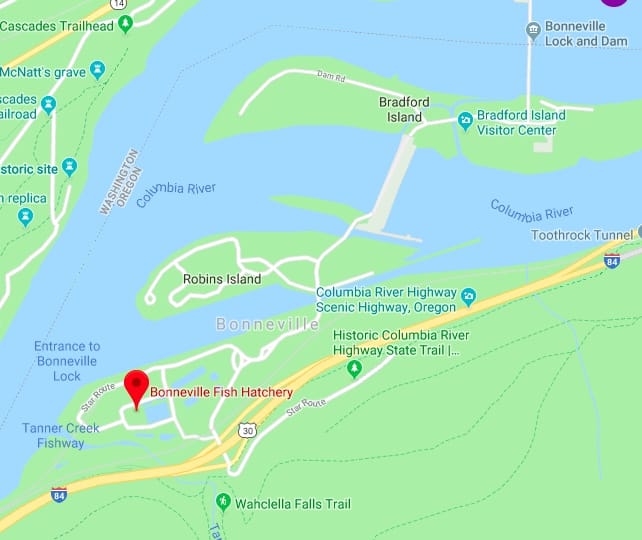
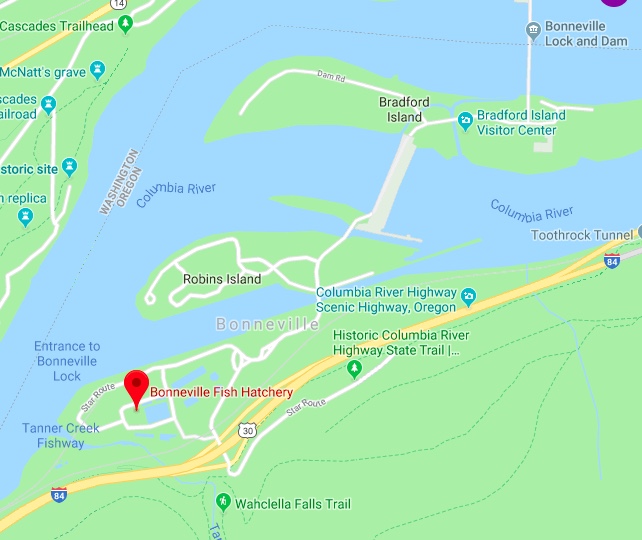
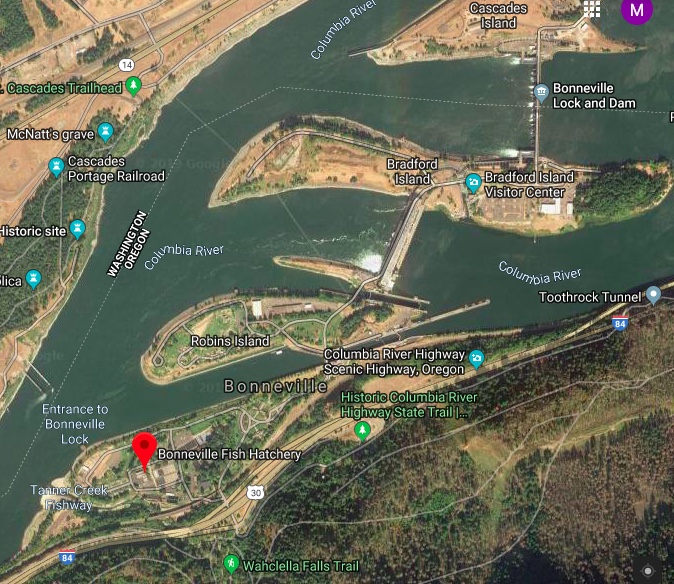
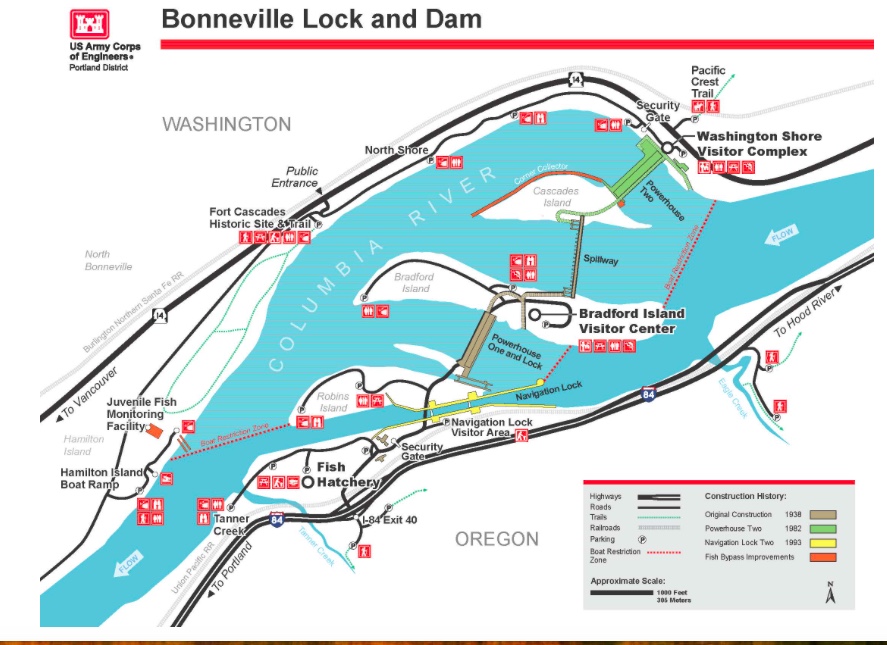
Just downriver from the dam on the Washington side of the Columbia River is Fort Cascades National Historic Site.

A fort was built here in 1855 to protect the portage road around the lower section of Cascades Rapids. The fort was abandoned in 1861. The small community of Cascades formed around the fort but it was wiped out by the flood of 1894, the largest flood of the Columbia in recorded history.
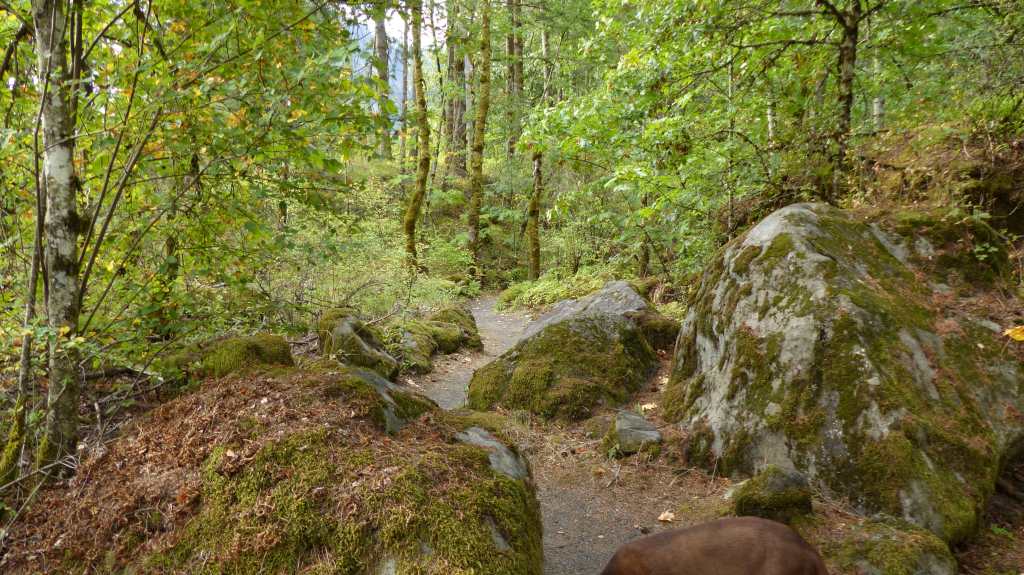
This area is also historically significant as Lewis and Clark’s Corps of Discovery visited an Indian village near here in 1805. It is from this location that they observed and named Beacon Rock, a “remarkable high detached rock”, one of the most recognized landmarks in the Gorge.

All us hatchery hosts have something in common with Lewis and Clark- we’ve camped on the same grounds along the mighty Columbia River. Yes, Bonneville Hatchery is a confirmed camp site of those explorers. I have reliable information that Lewis and Clark and the Lehr’s have something else in common. While camping at the Indian village across the river they made mention of the huge amount of garter snakes. We have them too. Our Lab Megan was sniffing around in the lawn beside our RV when she jumped straight up! Never saw a dawg jump straight up before. A little garter snake began wriggling off towards the bushes and safety. Since then we’ve seen many of the little fellers and so has Megan- yep- straight up!
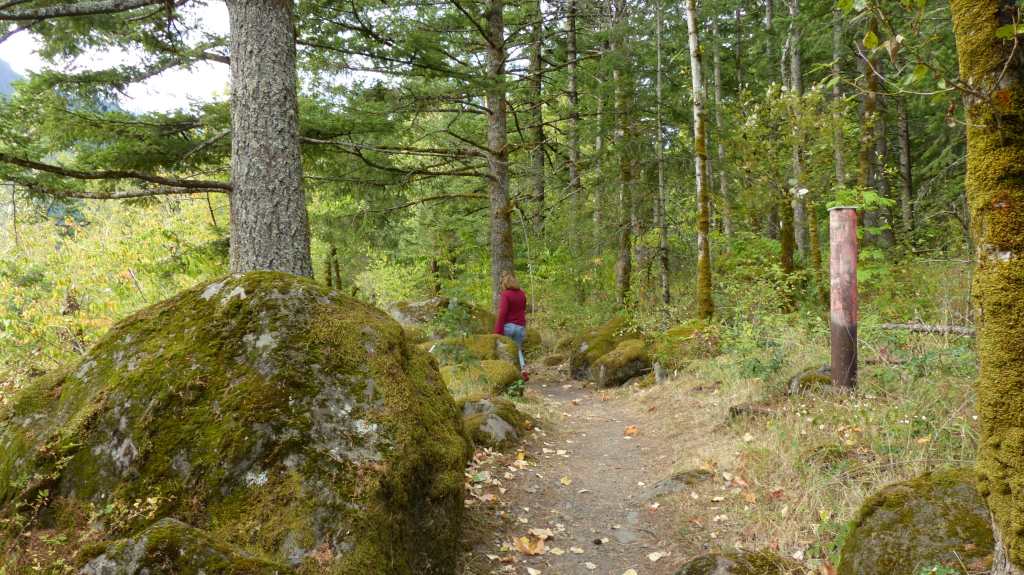
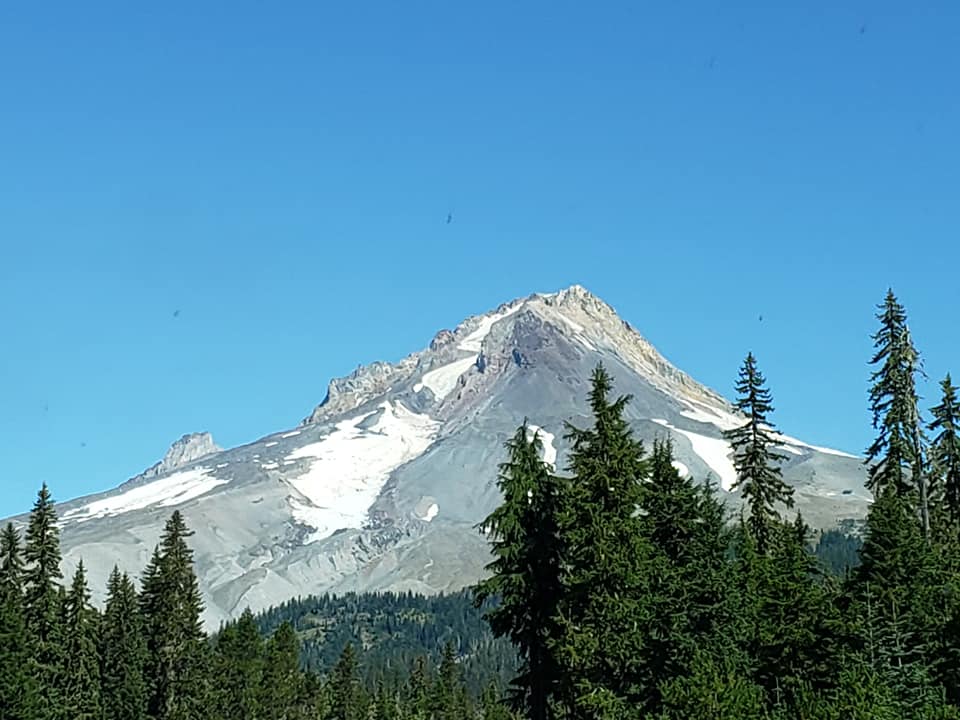
From 1841 to 1846 the overland portion of the Oregon Trail ended west of The Dalles where the emigrants built rafts or hired boats to travel down the Columbia to Vancouver or up the Willamette River to Oregon City. The river trip was extremely hazardous at best and involved difficult portages around the tumultuous Cascades. Many re-embarked from this site at the Lower Cascades. After 1846 when the Barlow Toll Road was opened across the southern shoulder of Mt. Hood most emigrants preferred the safer overland route to the wild and treacherous Columbia River.
I can’t imagine the hardships of those who traveled the Oregon Trail back in those days of wagons pulled by oxen, the majority of pioneers walking from St. Louis to the Dalles, then rafting down the Columbia to Oregon City. And I know they didn’t have a crystal ball that foretold how we travel today.

Stand by for our next post!

Am I boring you, Megan?



















 Travel With Jil and Mike